
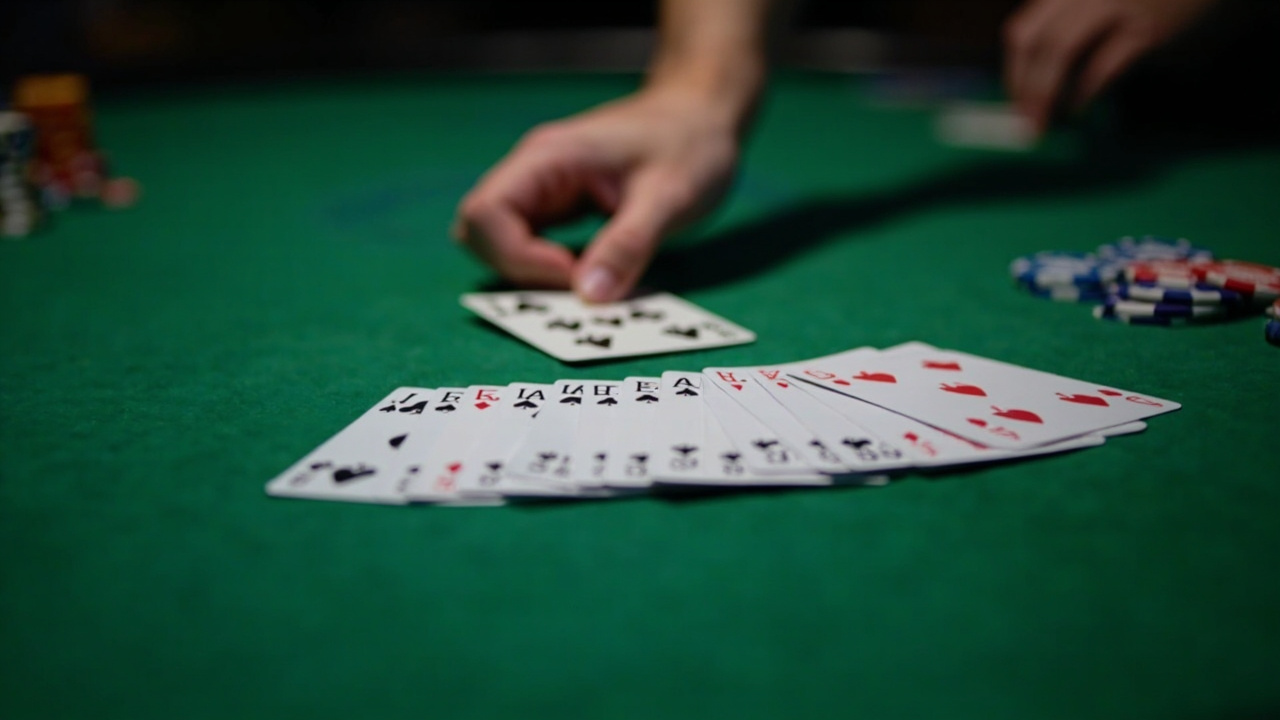
Walk into any Darwin pub on a Friday arvo and you will hear someone swear the next hand is due to hit, or that a fresh dealer is “cold” because the cards have not fallen their way. Card sense gets tangled with superstition faster than most people admit, and that is exactly where the real damage happens. We have spent more time watching recreational tables than most reviewers admit, and the pattern is consistent: players lose more to folklore than to the house edge itself. The good news is that most of the loudest beliefs collapse under basic scrutiny, and once you strip them back, the game becomes far less mysterious. If you are sorting through where to actually play, a clear-eyed look at a lobby like luckydreamaustralia.com shows how much of the confusion comes from cluttered presentation rather than the rules themselves.
Counting Cards Guarantees a Win
The myth sounds seductive because it borrows the language of mathematics, but counting is not a cheat code and it never promises a profit. What a count actually does is tilt the odds a fraction in your favour during specific stretches, which means you still need a deep bankroll, flawless discipline, and a table that has not already tightened its penetration. In practice, the edge is small enough that a single bad run, a dealer error, or a casino shuffling early can wipe out hours of careful work. We have watched seasoned players talk themselves into believing a running count alone decides the session, when in reality the variance is still brutal and the risk of being backed off is genuine. The honest assessment is that counting is a skill for people who enjoy the grind, not a shortcut to consistent wins, and anyone treating it as a guarantee is confusing probability with certainty.
The Dealer Is Due to Bust
This one survives because humans are wired to see patterns in randomness, so a string of dealer stands feels like a tide about to turn. The deck has no memory, and each hand is dealt from a fresh slice of probability, which means the dealer is never “due” to collapse just because they have held strong for twenty minutes. We have seen mates double down on that instinct, chasing a bust that the maths says is no more likely than it was on the first deal. The reality is simpler and less comforting: streaks happen, they mean nothing toward the next outcome, and betting heavier because the table feels overdue is a fast way to turn a calm session into a rough one. If you want a steadier approach, treat every hand as its own event rather than a chapter in a story the cards are supposedly writing. luckydreamaustralia.com
Shuffling Machines Remove All Skill
Automatic shufflers do change the rhythm, and they do make card tracking far harder, but they do not erase every decision at the table. Basic strategy still applies, your double-down and split choices still matter, and the house edge still responds to whether you play the correct move or guess on a hunch. We have watched beginners assume a continuous shuffler turns blackjack into a coin flip, then lose faster because they stop thinking altogether. The truth sits in the middle: the machine removes one niche advantage for a narrow group of counters, while leaving the ordinary player’s decisions just as relevant as they were on a manual shoe. Skill does not vanish; it simply narrows to the fundamentals that matter most.
The Five-Deck Table Is Always Worse
Shoe composition does shift the edge slightly, but the gap between a single deck and a five-deck spread is small enough that it should not drive your whole decision. What matters more is whether the table pays proper blackjack, how the doubling and splitting rules sit, and whether you are actually playing the right strategy for that specific set of conditions. We have seen players cross off a venue purely because of deck count, then sit down to a worse payout structure and call it a win. The measured view is that deck number is one input among several, and ignoring the rest of the rule set in favour of a single number is a lazy way to judge a table.
For Beginners: A Short, Sensible Way to Start
If you are new to the felt, keep the first few sessions boring on purpose. Pick a table with clear 3:2 blackjack pays, learn the basic strategy chart for that exact rule set, and set a loss limit before you touch a chip so you are not making decisions while frustrated. Play one hand at a time, resist the urge to vary your bet because a streak feels “due”, and treat every double or split as a separate maths problem rather than a gut feeling. We always tell beginners to think of the chart as a licence to stop guessing, not a promise of profit, and to leave the table the moment the session stops feeling like a game. That approach will not make you rich, but it will keep the experience readable and the losses manageable.
Choosing a Table That Fits Your Style
The right table is the one whose rules match the way you actually want to play, not the one with the loudest signage or the closest seat. If you prefer slower decisions, a manual shoe and a patient dealer will suit you better than a machine that keeps the pace relentless. If you like clear rules and quick discovery, a well-organised lobby with sensible search and a visible mix of table and live content makes it easier to find the conditions you want without wandering through clutter. We judge a venue by how honestly it presents its game mix and providers, because a tidy lobby tells you less about luck and more about whether you can actually find the blackjack conditions you came for. When the presentation is clean and the rules are stated plainly, you spend less time decoding the room and more time playing the hands that matter.
Blackjack does not reward folklore, and the myths that survive usually do so because they offer comfort where the maths offers only uncertainty. The players who last are the ones who respect the edge, follow the basic strategy that fits the table in front of them, and pick venues that present their rules without dressing them up. Treat the game as a steady decision problem, keep your expectations realistic, and you will avoid most of the folklore that sends beginners home lighter than they arrived.